Buy lijo.eu ?
We are moving the project
lijo.eu .
Are you interested in purchasing the domain
lijo.eu ?
domain@kv-gmbh.de · 0541-91531010
Buy lijo.eu ?
How do you transform an object clause or a subject clause into a dependent clause (subordinate clause)?
To transform an object clause or a subject clause into a dependent clause, you can add a subordinating conjunction at the beginning of the clause. For example, changing "I know that he is coming" (object clause) to "I know when he is coming" (dependent clause). Another way is to remove the subject or object pronoun and change the verb form to make it dependent on the main clause. For instance, changing "She believes she can win" (subject clause) to "She believes she can win" (dependent clause). **
Is an infinitive clause a subordinate clause?
Yes, an infinitive clause is a type of subordinate clause. It functions as a single unit within a sentence and is dependent on the main clause for its meaning. Infinitive clauses typically begin with the word "to" followed by a verb, and they can serve various purposes such as expressing purpose, result, or obligation. **


Similar search terms for Clause
Top-Angebote
Products related to Clause:
-
Multicon Wholesale Hub Festive Solar Powered LED Garden Light, Solar Charging Dandelion Outdoor Lighting Decor colour oneTransform your garden with the SolarPowered Dandelion LED Garden Light, designed to bring a festive glow to your outdoor space. This solar charging garden light combines functionality and beauty, making it a perfect addition to any garden, patio, or...31,97 $*Shipping: 0,00 $Secure redirect to the provider
-
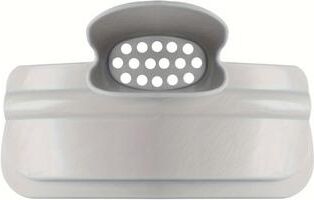
ModernMart Anti Spill Soup Pourer With Duckbill Spout Easy Pour Kitchenware greyStart enjoying messfree cooking with the antispill pot pourer that makes every pour effortless. Designed for home chefs who value precision and cleanliness, this soup pourer ensures liquids glide smoothly without dripping. Its innovative duckbill...31,97 $*Shipping: 0,00 $Secure redirect to the provider
-
Multisell Products Hub Vegetable Cutter Grater For Potatoes, Shred Slicer And Kitchenware Accessories Tools, Multi Functional Design Vegetable Cutter Grater For Potatoes, Shred Slicer And Kitchenware Accessories Tools, Multi Functional DesignSimplify Your Kitchen Prep with This MultiFunctional Vegetable CutterTransform your cooking routine with this multifunctional vegetable cutter. Designed to 9 pcs help you manually cut, shred, and slice potatoes with ease, this versatile tool is a...39,97 $*Shipping: 0,00 $Secure redirect to the provider
-
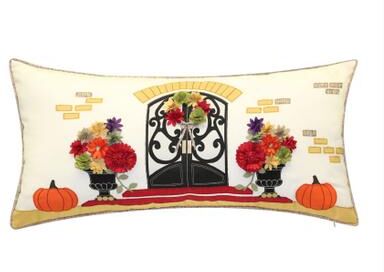
Indoor & Outdoor Harvest Welcome Home Decorative Pillow by Levinsohn Textiles in MultiThe Edie@Home Outdoor Pillow Collection combines fresh, stylish designs and high-quality fabrics made to withstand the elements of the outdoors. The Indoor & Outdoor Harvest Collection by Edie@Home brings fun, fall style to your home with rich...60,99 $*Shipping: 16,98 $Secure redirect to the provider


-
What are main clause-subordinate clause constructions?
Main clause-subordinate clause constructions are sentences that consist of a main clause and one or more subordinate clauses. The main clause is a complete sentence that can stand alone, while the subordinate clause depends on the main clause for its meaning and cannot stand alone. Subordinate clauses often begin with subordinating conjunctions such as "because," "although," "if," or "when," and they provide additional information or context to the main clause. These constructions allow for more complex and nuanced sentence structures, and they are commonly used in both spoken and written language. **
-
Can an adverbial clause also be a subject clause or an object clause?
No, an adverbial clause cannot be a subject clause or an object clause. An adverbial clause functions as an adverb to modify a verb, adjective, or adverb in a sentence. Subject clauses and object clauses, on the other hand, serve as the subject or object of the main clause, respectively. Each type of clause has a specific grammatical function within a sentence. **
-
Is the main clause and subordinate clause correct?
To determine if the main clause and subordinate clause are correct, you need to ensure that they are grammatically sound and that they make sense when combined. The main clause should be able to stand alone as a complete sentence, while the subordinate clause provides additional information but cannot stand alone. Checking for subject-verb agreement and proper punctuation between the two clauses can help confirm their correctness. **
-
How do I recognize a relative clause, a conjunctional clause, and an interrogative clause?
A relative clause typically starts with a relative pronoun (such as who, whom, whose, which, or that) and provides more information about a noun in the main clause. A conjunctional clause, on the other hand, is introduced by a conjunction (such as and, but, or because) and connects two independent clauses. An interrogative clause is a type of clause that asks a question and is typically introduced by an interrogative pronoun (such as who, what, when, where, why, or how) or an interrogative adverb (such as how, when, or where). **

How can I recognize a relative clause, a conjunctional clause, and an interrogative clause?
A relative clause is a type of dependent clause that typically starts with a relative pronoun (such as who, whom, whose, which, or that) and provides additional information about a noun in the main clause. A conjunctional clause, on the other hand, is a dependent clause that functions as an adverb, adjective, or noun in a sentence and is connected to the main clause by a conjunction (such as because, although, if, when, etc.). An interrogative clause is a type of clause that asks a question and typically begins with a question word (such as who, what, where, when, why, or how) or with a helping verb followed by the subject. **
What is the main clause, subordinate clause 1st degree, and subordinate clause 2nd degree?
The main clause is the independent clause that contains the main idea of the sentence. It can stand alone as a complete sentence. The subordinate clause 1st degree is a clause that depends on the main clause for its meaning and cannot stand alone as a complete sentence. The subordinate clause 2nd degree is a clause that depends on the subordinate clause 1st degree for its meaning and cannot stand alone as a complete sentence. **
Top-Angebote
Products related to Clause:
-
Esofastore Sofa Recliner LED Lighting Furniture Set Charging Ports Removeable Cup HolderFeatures:- • Transitional • Gray Finish • Glider Recliner • Two-Tone Design • LED on Bottom • USB-A & USB-C Charging Port • Console w/ Storage and 2 Removable Cup Holders on Loveseat • Solid Wood and Others Product Description:- Featuring a two-tone...3051,99 $*Shipping: 0,00 $Secure redirect to the provider
-
Indoor & Outdoor Alhambra Decorative Pillow by Levinsohn Textiles in LeafEdie@Home Indoor & Outdoor Decorative Pillow Collection combines modern, classic and contemporary style to create unique designs for your home. Each pillow is crafted from high quality weather-resistant fabric that can be placed outdoors on your...38,99 $*Shipping: 11,98 $Secure redirect to the provider
-
Multicon Wholesale Hub Festive Solar Powered LED Garden Light, Solar Charging Dandelion Outdoor Lighting Decor colour oneTransform your garden with the SolarPowered Dandelion LED Garden Light, designed to bring a festive glow to your outdoor space. This solar charging garden light combines functionality and beauty, making it a perfect addition to any garden, patio, or...31,97 $*Shipping: 0,00 $Secure redirect to the provider
-
ModernMart Anti Spill Soup Pourer With Duckbill Spout Easy Pour Kitchenware greyStart enjoying messfree cooking with the antispill pot pourer that makes every pour effortless. Designed for home chefs who value precision and cleanliness, this soup pourer ensures liquids glide smoothly without dripping. Its innovative duckbill...31,97 $*Shipping: 0,00 $Secure redirect to the provider
-
How do you transform an object clause or a subject clause into a dependent clause (subordinate clause)?
To transform an object clause or a subject clause into a dependent clause, you can add a subordinating conjunction at the beginning of the clause. For example, changing "I know that he is coming" (object clause) to "I know when he is coming" (dependent clause). Another way is to remove the subject or object pronoun and change the verb form to make it dependent on the main clause. For instance, changing "She believes she can win" (subject clause) to "She believes she can win" (dependent clause). **
-
Is an infinitive clause a subordinate clause?
Yes, an infinitive clause is a type of subordinate clause. It functions as a single unit within a sentence and is dependent on the main clause for its meaning. Infinitive clauses typically begin with the word "to" followed by a verb, and they can serve various purposes such as expressing purpose, result, or obligation. **
-
What are main clause-subordinate clause constructions?
Main clause-subordinate clause constructions are sentences that consist of a main clause and one or more subordinate clauses. The main clause is a complete sentence that can stand alone, while the subordinate clause depends on the main clause for its meaning and cannot stand alone. Subordinate clauses often begin with subordinating conjunctions such as "because," "although," "if," or "when," and they provide additional information or context to the main clause. These constructions allow for more complex and nuanced sentence structures, and they are commonly used in both spoken and written language. **
-
Can an adverbial clause also be a subject clause or an object clause?
No, an adverbial clause cannot be a subject clause or an object clause. An adverbial clause functions as an adverb to modify a verb, adjective, or adverb in a sentence. Subject clauses and object clauses, on the other hand, serve as the subject or object of the main clause, respectively. Each type of clause has a specific grammatical function within a sentence. **
Similar search terms for Clause
-
Multisell Products Hub Vegetable Cutter Grater For Potatoes, Shred Slicer And Kitchenware Accessories Tools, Multi Functional Design Vegetable Cutter Grater For Potatoes, Shred Slicer And Kitchenware Accessories Tools, Multi Functional DesignSimplify Your Kitchen Prep with This MultiFunctional Vegetable CutterTransform your cooking routine with this multifunctional vegetable cutter. Designed to 9 pcs help you manually cut, shred, and slice potatoes with ease, this versatile tool is a...39,97 $*Shipping: 0,00 $Secure redirect to the provider
-
Indoor & Outdoor Harvest Welcome Home Decorative Pillow by Levinsohn Textiles in MultiThe Edie@Home Outdoor Pillow Collection combines fresh, stylish designs and high-quality fabrics made to withstand the elements of the outdoors. The Indoor & Outdoor Harvest Collection by Edie@Home brings fun, fall style to your home with rich...60,99 $*Shipping: 16,98 $Secure redirect to the provider
-
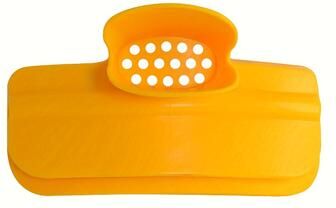
ModernMart Anti Spill Soup Pourer With Duckbill Spout Easy Pour Kitchenware orangeStart enjoying messfree cooking with the antispill pot pourer that makes every pour effortless. Designed for home chefs who value precision and cleanliness, this soup pourer ensures liquids glide smoothly without dripping. Its innovative duckbill...31,97 $*Shipping: 0,00 $Secure redirect to the provider
-
Indoor & Outdoor Embroidered Lace Decorative Pillow by Levinsohn Textiles in CitronEdie@Home Indoor & Outdoor Decorative Pillow Collection combines modern, classic and contemporary style to create unique designs for your home. Each pillow is crafted from high quality weather-resistant fabric that can be placed outdoors on your...59,99 $*Shipping: 16,98 $Secure redirect to the provider
-
Is the main clause and subordinate clause correct?
To determine if the main clause and subordinate clause are correct, you need to ensure that they are grammatically sound and that they make sense when combined. The main clause should be able to stand alone as a complete sentence, while the subordinate clause provides additional information but cannot stand alone. Checking for subject-verb agreement and proper punctuation between the two clauses can help confirm their correctness. **
-
How do I recognize a relative clause, a conjunctional clause, and an interrogative clause?
A relative clause typically starts with a relative pronoun (such as who, whom, whose, which, or that) and provides more information about a noun in the main clause. A conjunctional clause, on the other hand, is introduced by a conjunction (such as and, but, or because) and connects two independent clauses. An interrogative clause is a type of clause that asks a question and is typically introduced by an interrogative pronoun (such as who, what, when, where, why, or how) or an interrogative adverb (such as how, when, or where). **
-
How can I recognize a relative clause, a conjunctional clause, and an interrogative clause?
A relative clause is a type of dependent clause that typically starts with a relative pronoun (such as who, whom, whose, which, or that) and provides additional information about a noun in the main clause. A conjunctional clause, on the other hand, is a dependent clause that functions as an adverb, adjective, or noun in a sentence and is connected to the main clause by a conjunction (such as because, although, if, when, etc.). An interrogative clause is a type of clause that asks a question and typically begins with a question word (such as who, what, where, when, why, or how) or with a helping verb followed by the subject. **
-
What is the main clause, subordinate clause 1st degree, and subordinate clause 2nd degree?
The main clause is the independent clause that contains the main idea of the sentence. It can stand alone as a complete sentence. The subordinate clause 1st degree is a clause that depends on the main clause for its meaning and cannot stand alone as a complete sentence. The subordinate clause 2nd degree is a clause that depends on the subordinate clause 1st degree for its meaning and cannot stand alone as a complete sentence. **
* All prices are inclusive of VAT and, if applicable, plus shipping costs. The offer information is based on the details provided by the respective shop and is updated through automated processes. Real-time updates do not occur, so deviations can occur in individual cases. ** Note: Parts of this content were created by AI.